
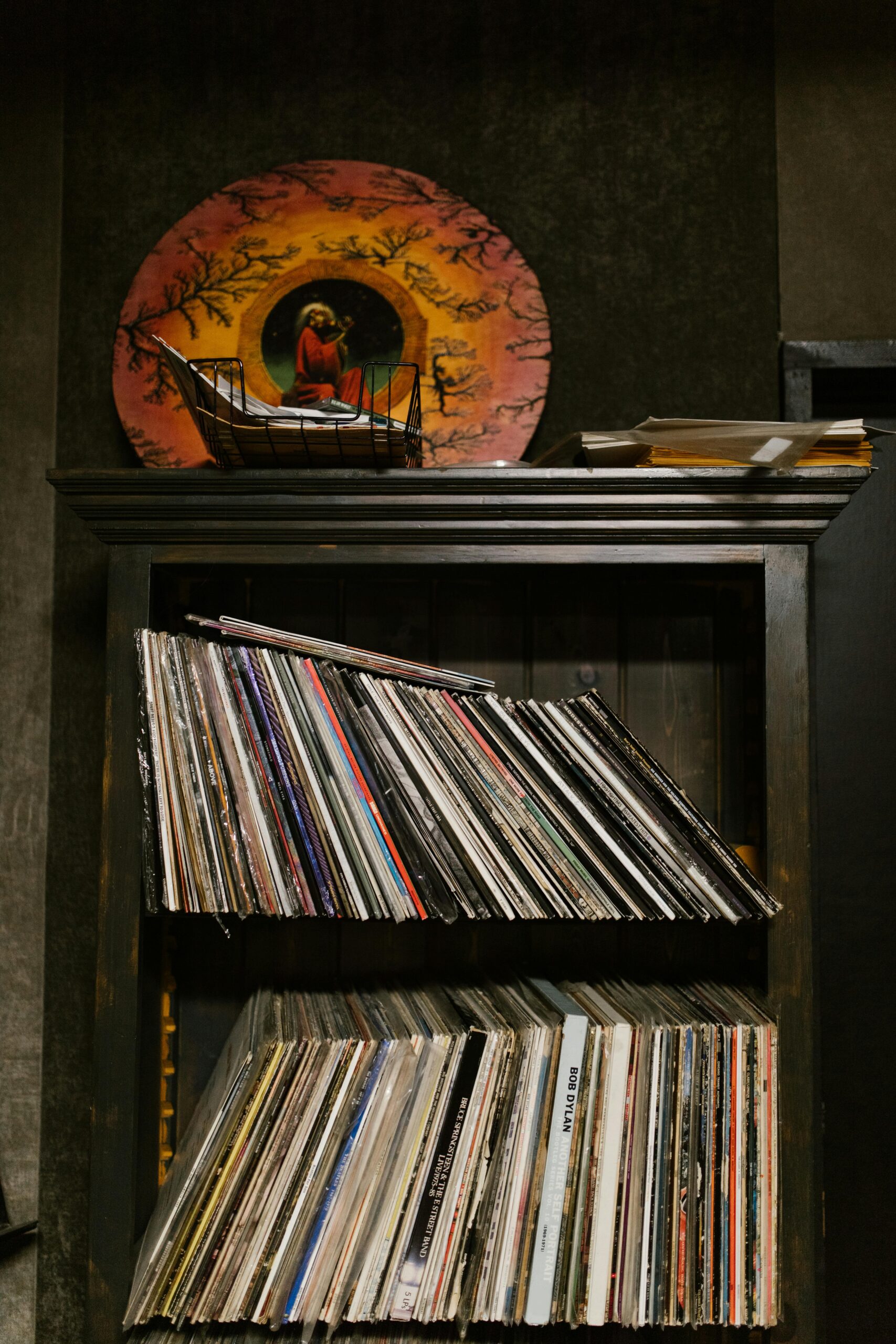
You spent time hunting down that record. Maybe it came from a charity shop, maybe a record fair, maybe you finally splurged on a new pressing. The last thing you want is to pull it off the shelf six months later and find it warped, cracked, or covered in mold.
Bad storage ruins records. Good storage is dead simple and mostly free. Here’s everything you need to know about how to store vinyl records properly — whether you own 5 records or 500.
Read more: How to Store Vinyl Records Properly (And Why It Matters)Why Proper Vinyl Record Storage Matters
Vinyl is surprisingly resilient when treated well, and surprisingly fragile when treated badly. The three main enemies are:
- Heat — warps records, sometimes permanently
- Moisture — causes mold on sleeves and labels
- Pressure — stacking records flat causes warping and sleeve wear over time
The good news is that avoiding all three costs almost nothing. It’s mostly about habits.
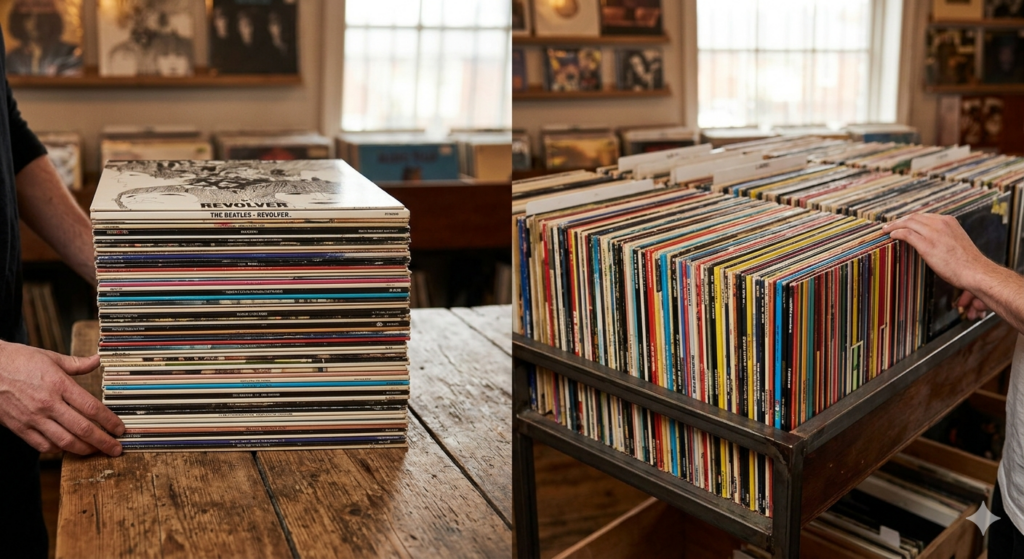
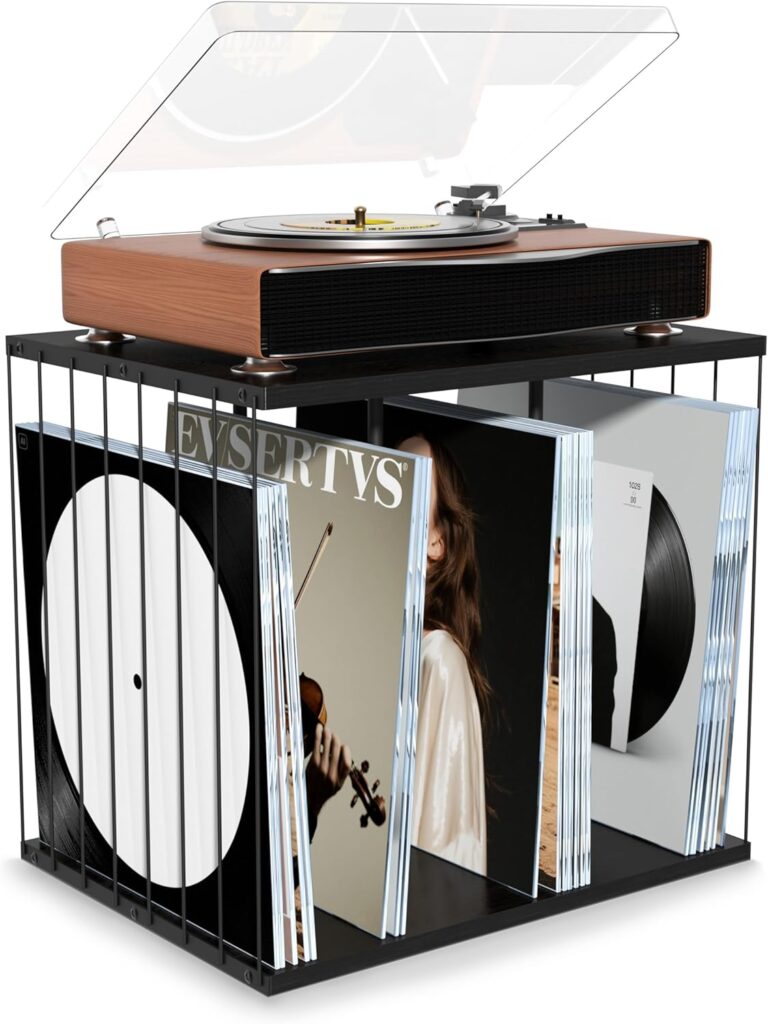
The Golden Rule: Always Store Records Vertically
You may have seen this one in another blog post of mine, namely How to Clean Vinyl Records at Home (Without Ruining Them). That’s how important it is! Store your records standing upright, never flat.
Stacking records horizontally puts uneven pressure on the bottom records, which causes warping over time. Even a slight warp affects playback — the needle loses contact with the groove, causing distortion and skipping.
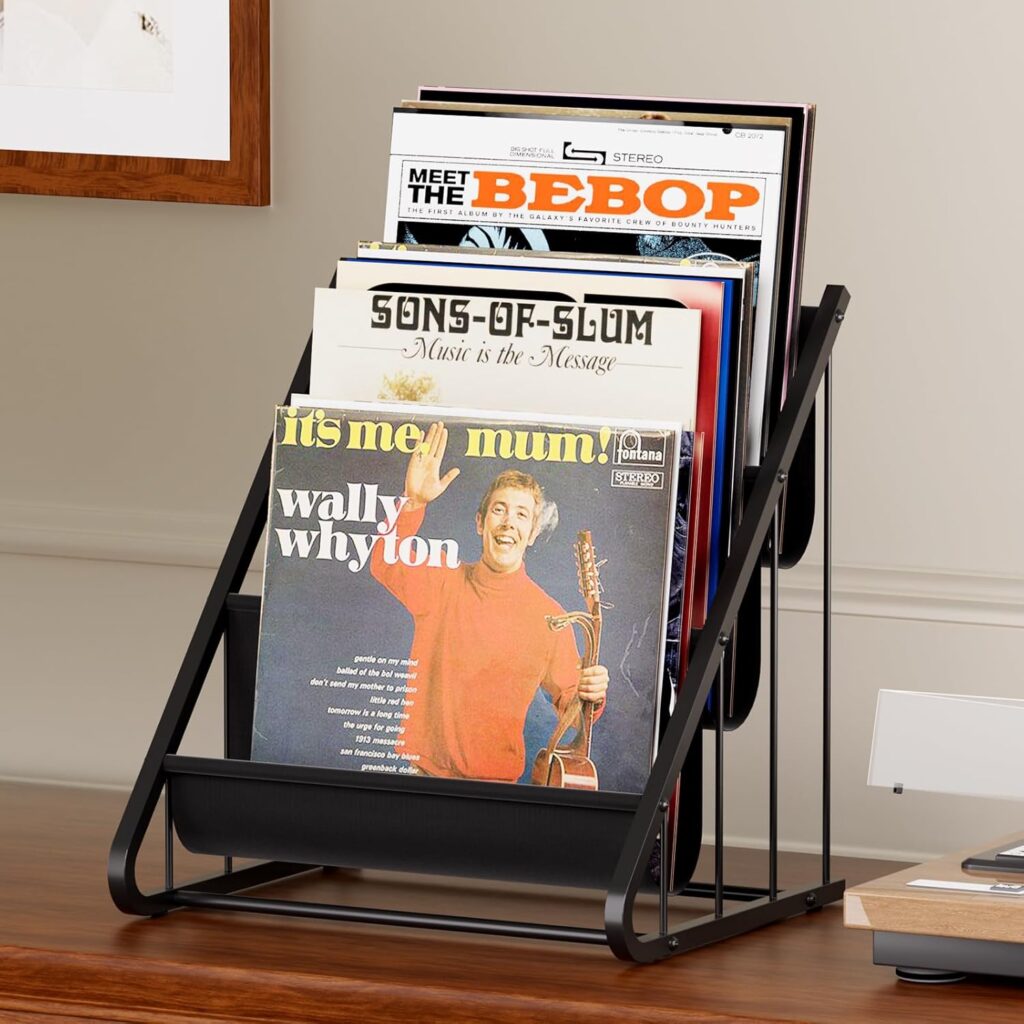
Upright storage distributes weight evenly and keeps records in their natural shape. Think of it like books on a shelf — upright, snug but not crammed.
Practical tip: Don’t lean records at an angle either. If your shelf isn’t full yet, use bookends to keep them standing straight. Leaning at 45 degrees long-term will also cause warping.
Where to Store Vinyl Records: The Right Environment
Temperature
The ideal storage temperature for vinyl records is between 18–22°C. Avoid:
- Attics (too hot in summer, too cold in winter)
- Garages (same problem, plus damp)
- Near radiators or windows with direct sunlight
Room temperature is fine. A spare bedroom shelf, a living room unit, a dedicated record shelf — all good. Just keep records away from heat sources.
Humidity
Aim for 45–50% relative humidity. Too dry and sleeves crack; too damp and you’re inviting mould. In most normal homes this isn’t something you need to actively manage — just avoid storing records in damp basements or bathrooms.
Light
Keep records out of direct sunlight. UV light degrades both the vinyl and the artwork over time. A shelf away from windows is ideal.
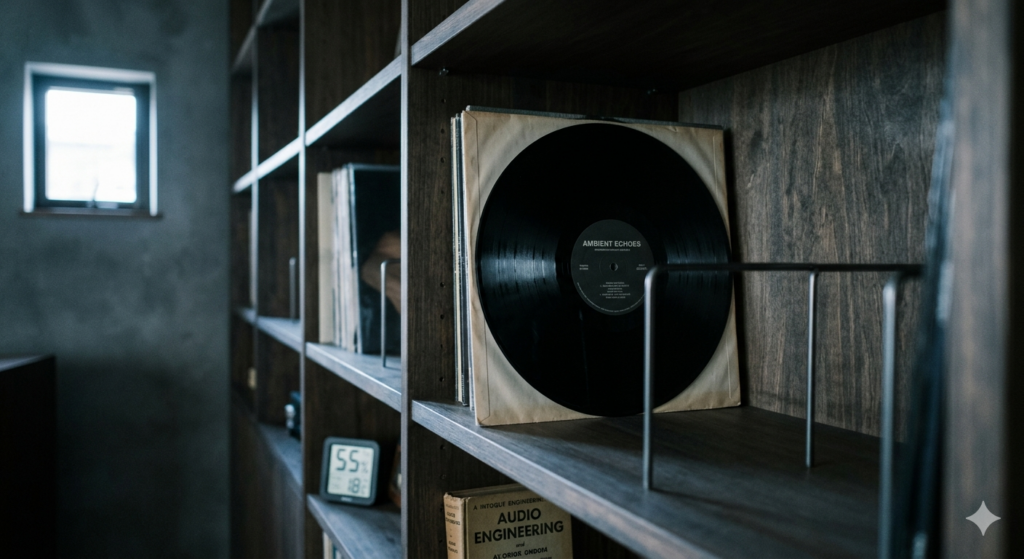
To store your records properly, like mentioned above, in a cool, dimly lit area.
Keep them away from direct sunlight and heat sources, and store them vertically.
Inner Sleeves: The Most Underrated Upgrade
The paper inner sleeve your record came in? It’s scratching your record every time you slide it in and out.
Paper fibres are coarse enough to create micro-scratches on the playing surface. Over time, those scratches add up to surface noise — that hiss you hear between tracks.
The fix: Replace paper inner sleeves with polythene (plastic) inner sleeves. They’re smooth, anti-static, and cost almost nothing — around €0.15–0.25 each when bought in bulk.
Look for:
- HDPE (high-density polyethylene) sleeves — the gold standard, completely inert
- Anti-static polythene sleeves — a small step up, reduces dust attraction
How to do it:
- Slide the record out of the paper sleeve carefully
- Place it in the new polythene sleeve
- Put the polythene sleeve (with record inside) back into the original outer sleeve
This way you keep the original artwork sleeve but protect the record with a clean inner.
Outer Sleeves: Optional but Worth It
If you want to protect your album artwork from ring wear, split corners, and general shelf damage, outer polythene sleeves are worth considering. They slip over the entire outer sleeve and keep it looking pristine.
They’re not essential for every record, but for anything you care about — first pressings, limited editions, albums with artwork you love — they’re a cheap way to preserve value.
Common Vinyl Storage Mistakes to Avoid
- Stacking records flat — the most common mistake, especially for beginners. Even a few weeks flat can cause warping in warm conditions.
- Storing near a radiator — vinyl starts to soften at around 60°C, but even mild sustained heat (like a record leaning against a warm wall behind a radiator) causes slow warping over months.
- Leaving records out of their sleeves — if you take a record off the turntable and leave it sitting on top of the stack, dust settles into the grooves within hours. Always sleeve it immediately after playing.
- Overfilling shelves — records crammed too tightly are hard to remove without damaging sleeves, and the pressure can cause warping. Leave a little breathing room.
- Keeping original paper inner sleeves — as covered above, swap them out. It’s cheap and makes a real difference to long-term sound quality.
Budget Storage Solutions for Student Collectors
You don’t need expensive dedicated record furniture to store vinyl properly. Here’s what actually works on a tight budget:
- IKEA Kallax — the classic. Each cube holds about 60–70 records upright. It’s cheap, sturdy, and looks good. The standard choice for a reason.
- Wooden crates — milk crates or similar work fine for smaller collections. Check that the bottom supports records fully so they don’t sag.
- Cardboard record boxes — great for transport or overflow storage. Available from most record shops or online for a few euros each.
What to avoid: flimsy plastic bins where records lean at angles, or anything that forces records to sit at anything other than vertical.
| DO | DON’T |
|---|---|
| Store vertically, like books | Stack horizontally |
| Use polythene inner sleeves | Keep original paper inners |
| Keep at room temperature | Store near radiators or in attics |
| Leave breathing room on shelves | Cram records in too tightly |
| Sleeve records immediately after playing | Leave records out of sleeves |
| Clean before long-term storage | Box up dirty records |
Final Thoughts
Storing vinyl records properly is one of those things that sounds complicated but really isn’t. Stand them upright, keep them at room temperature, swap out paper inner sleeves for polythene ones, and keep them out of direct sunlight. That covers 90% of what you need to know.
Do it right from the start and your records will still sound great in 20 years. Do it wrong and you’ll be wondering why that €30 pressing sounds like it was found in a skip.
Before you store them, make sure they’re clean. Read our guide on how to clean your records and keep them at pristine condition: How to Clean Vinyl Records at Home (Without Ruining Them)
Leave a Reply