Getting into vinyl collecting is one of those hobbies where nobody gives you a proper introduction. You buy a turntable, grab a few records, and then slowly discover — sometimes the hard way — all the little things that would have been nice to know from the start.
This is that list. Whether you’re brand new or a few records in, these vinyl record tips for beginners will save you time, money, and a few headaches.
Read more: 10 Vinyl Record Tips for BeginnersHandle Records by the Edges — Always
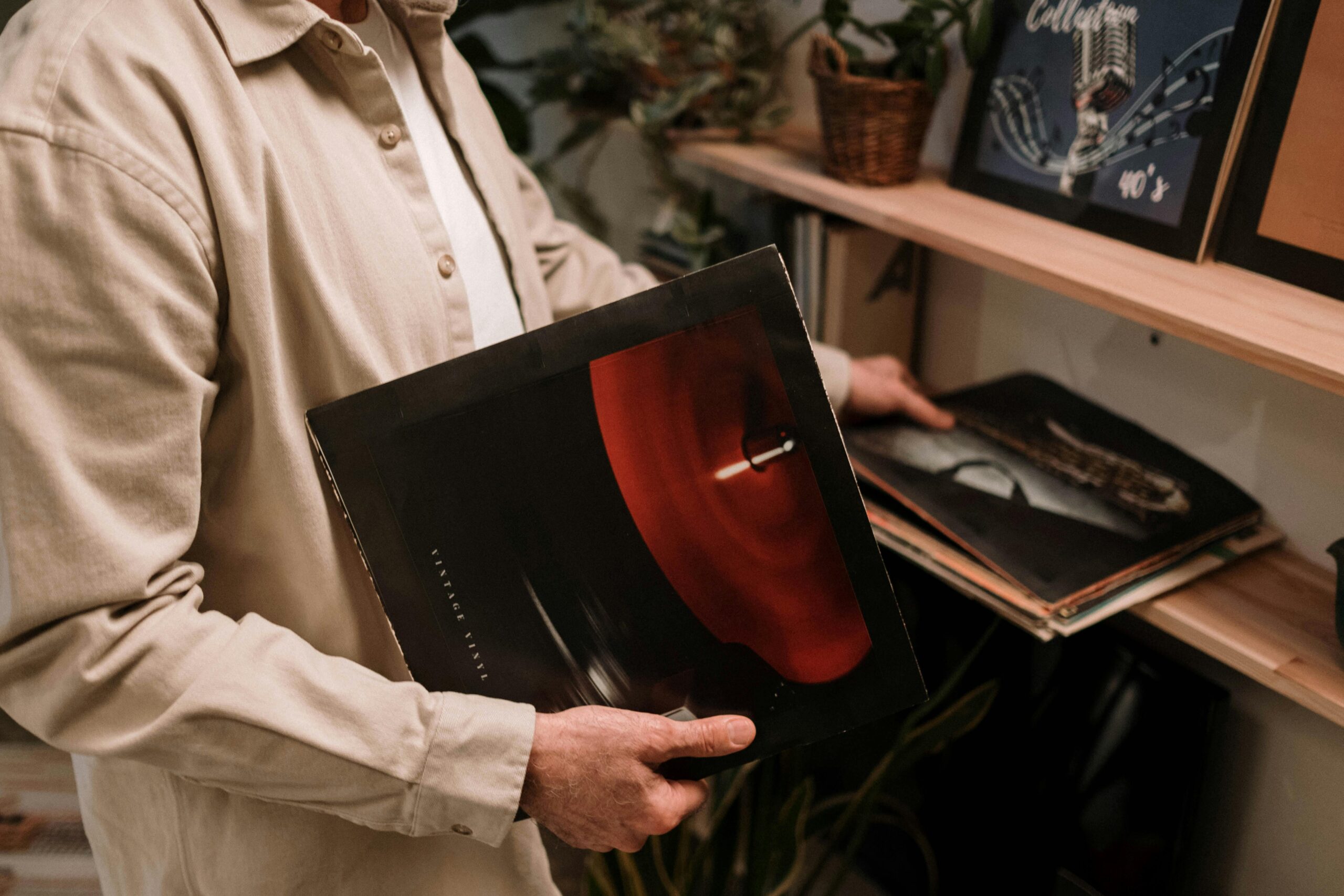
Probably the #1 tip I always give people that are looking to get into this stuff. It’s so, so important to handle your records with care.
Your fingers contain oils that transfer to the vinyl surface and attract dust. Over time, fingerprints in the grooves cause a dull haze and increased surface noise that’s difficult to clean off.
Get into the habit immediately: hold records with one hand on the edge and one finger on the label in the centre. It feels awkward at first and then becomes completely automatic.
Dry Brush Before Every Single Play
A carbon fibre anti-static brush is one of the cheapest and most impactful accessories you can own — around €8–12. Run it gently across the record in the direction of the grooves before every play to remove loose dust and reduce static.
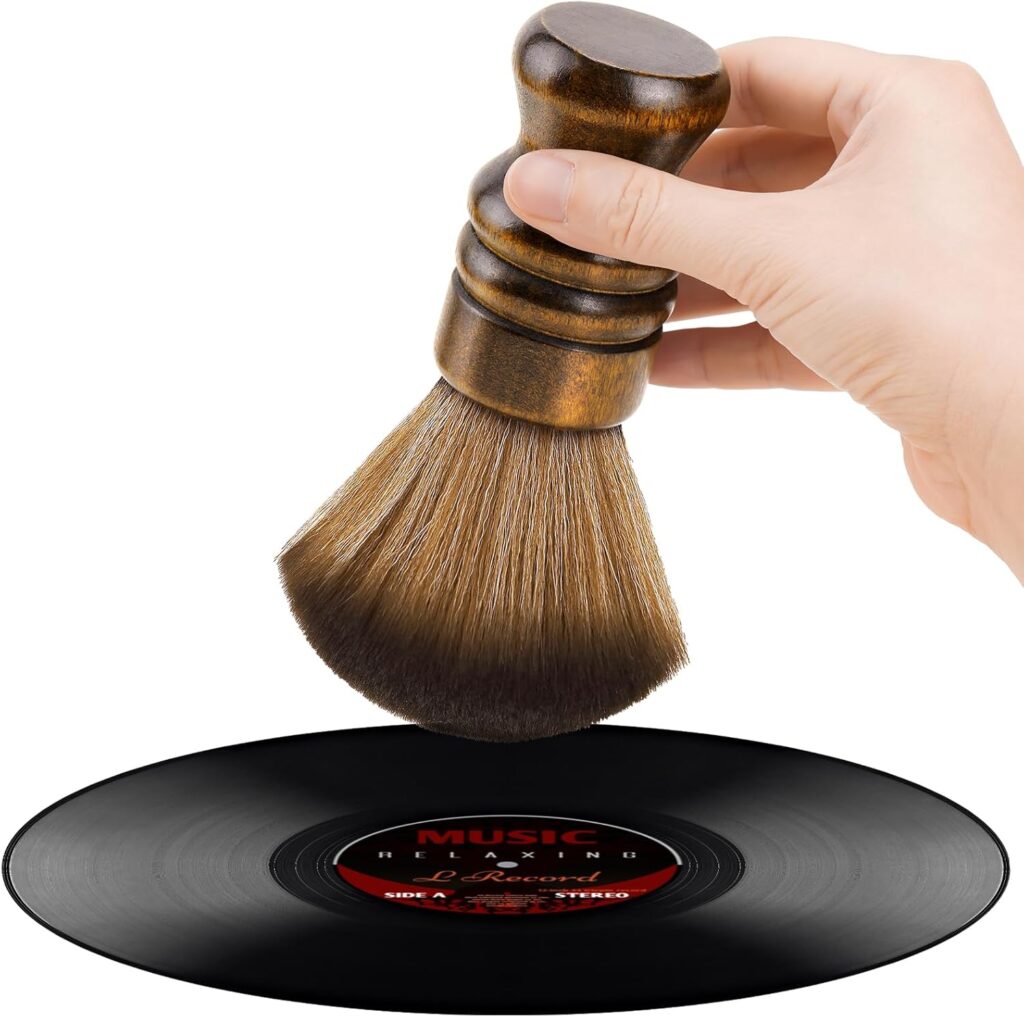
This takes about 10 seconds and makes a noticeable difference to sound quality. Skip it and you’re dragging whatever’s settled on the surface right through the grooves with your stylus.
Don’t Judge a Used Record by Its Cover
This is one of the most useful vinyl collecting tips for anyone buying second-hand: a tatty sleeve often contains a perfectly playable record, and a pristine sleeve can hide a disaster inside.
Always inspect the playing surface directly. Hold it at an angle under a light and look for deep scratches (bad) versus light scuffs (usually fine). Surface marks that look alarming often clean up well. Deep radial scratches across the grooves are harder to recover from.
Don’t let a beat-up cover put you off a potentially great record.

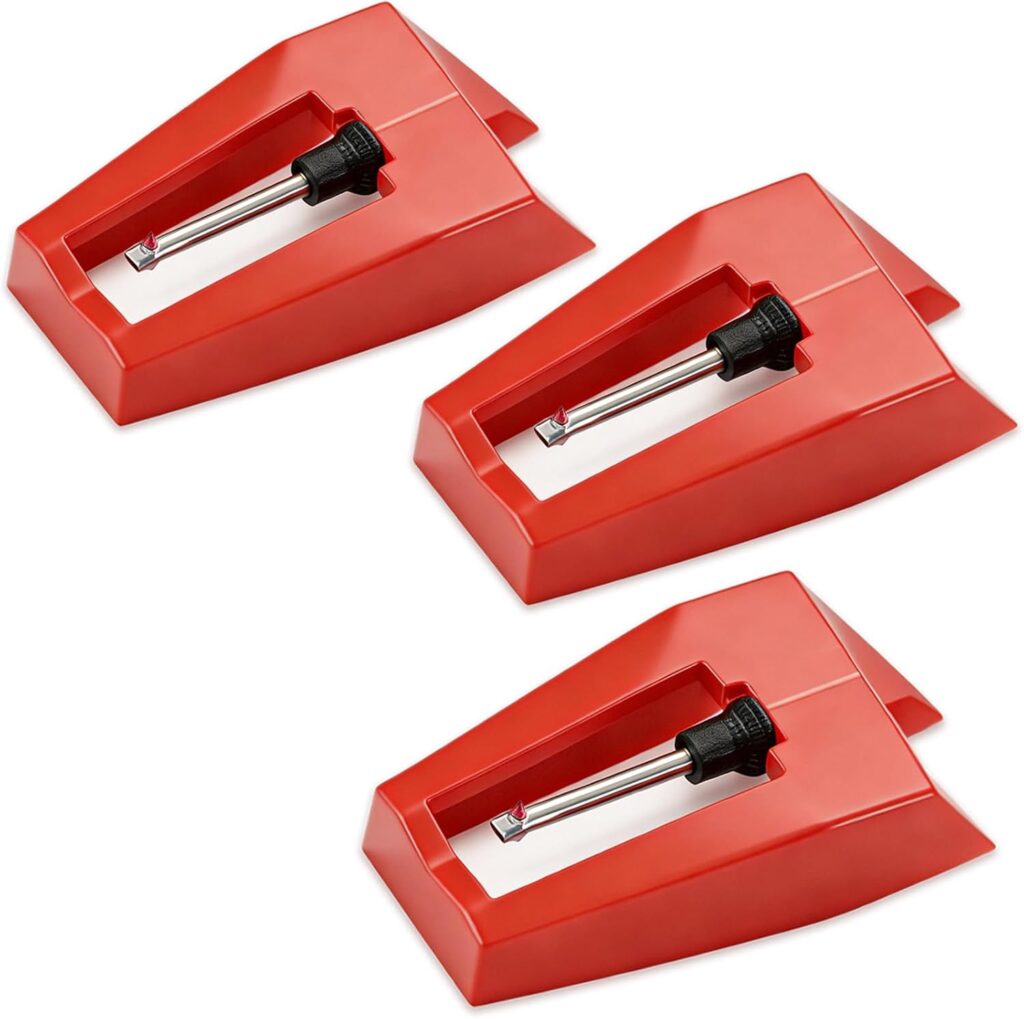
Your Stylus Needs Replacing Too
A lot of beginners focus entirely on the turntable and records, and forget that the stylus (needle) wears down over time. A worn stylus doesn’t just sound worse — it actively damages your records by tracking incorrectly through the grooves.
Most styli last around 500–1000 hours of play depending on quality. If you’re playing records regularly, keep track and budget for a replacement every year or two. Your records will thank you.
Start With Used Records — Not New
New records are expensive. A brand new pressing can easily run €25–35, sometimes more. When you’re just getting into vinyl, spending that on an album you might not vibe with on wax is a risk.
Charity shops, record fairs, and second-hand shops are where the fun is anyway. You can find incredible records for €1–5, and the hunt is half the experience. Save new pressings for albums you already know you love.
Avoid the Cheapest Possible Turntable
There’s a floor below which turntables actively harm your records. The ultra-cheap suitcase-style turntables (under ~€50) often have ceramic cartridges with heavy tracking force that grinds through grooves. They might play records, but they’re slowly destroying them.
The entry-level sweet spot for a beginner is around €100–150 — something like an Audio-Technica AT-LP60X or a secondhand belt-drive deck with a decent cartridge. It doesn’t need to be expensive, just not the cheapest possible option.
Store Records Vertically, Like Books
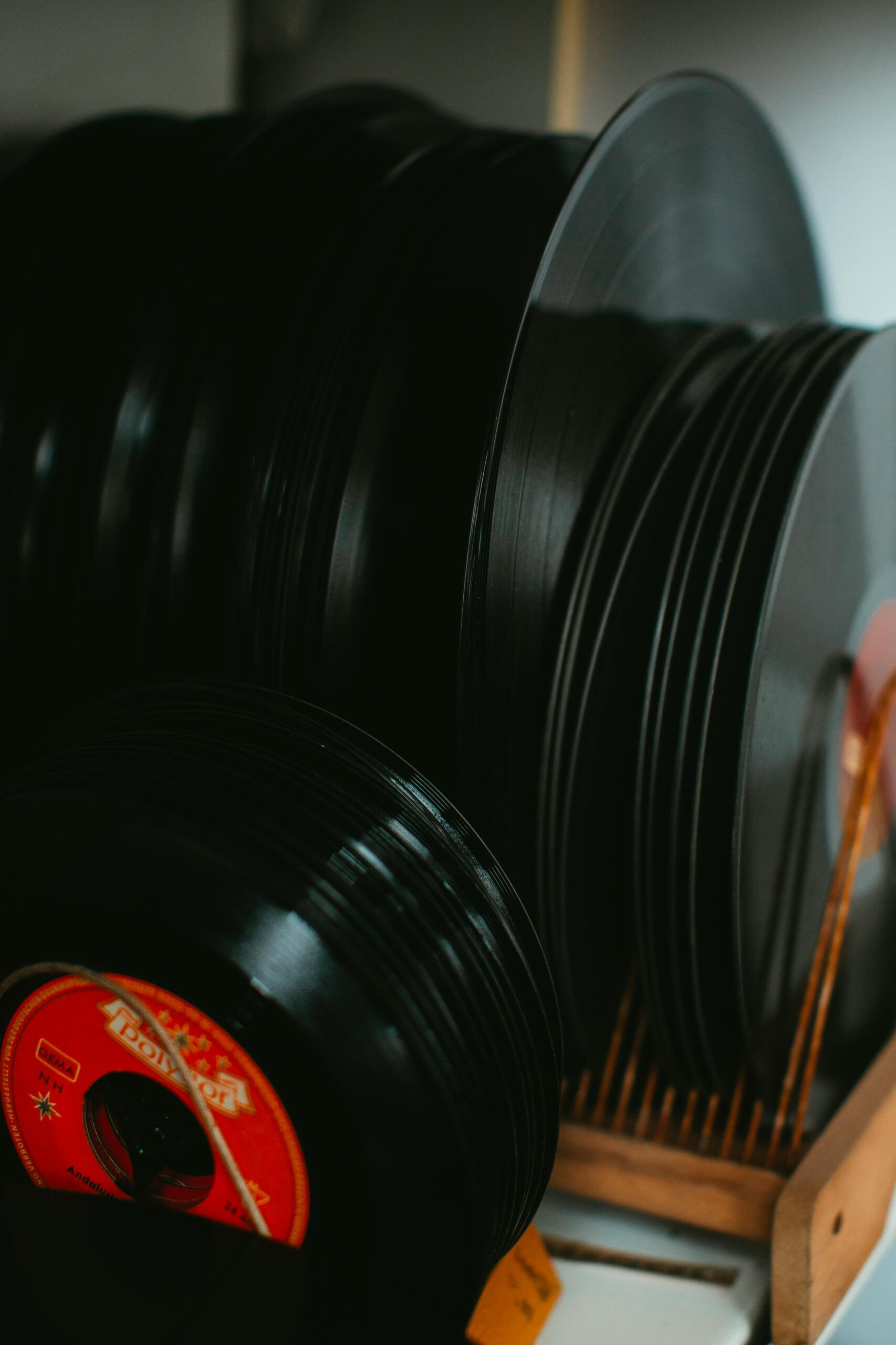
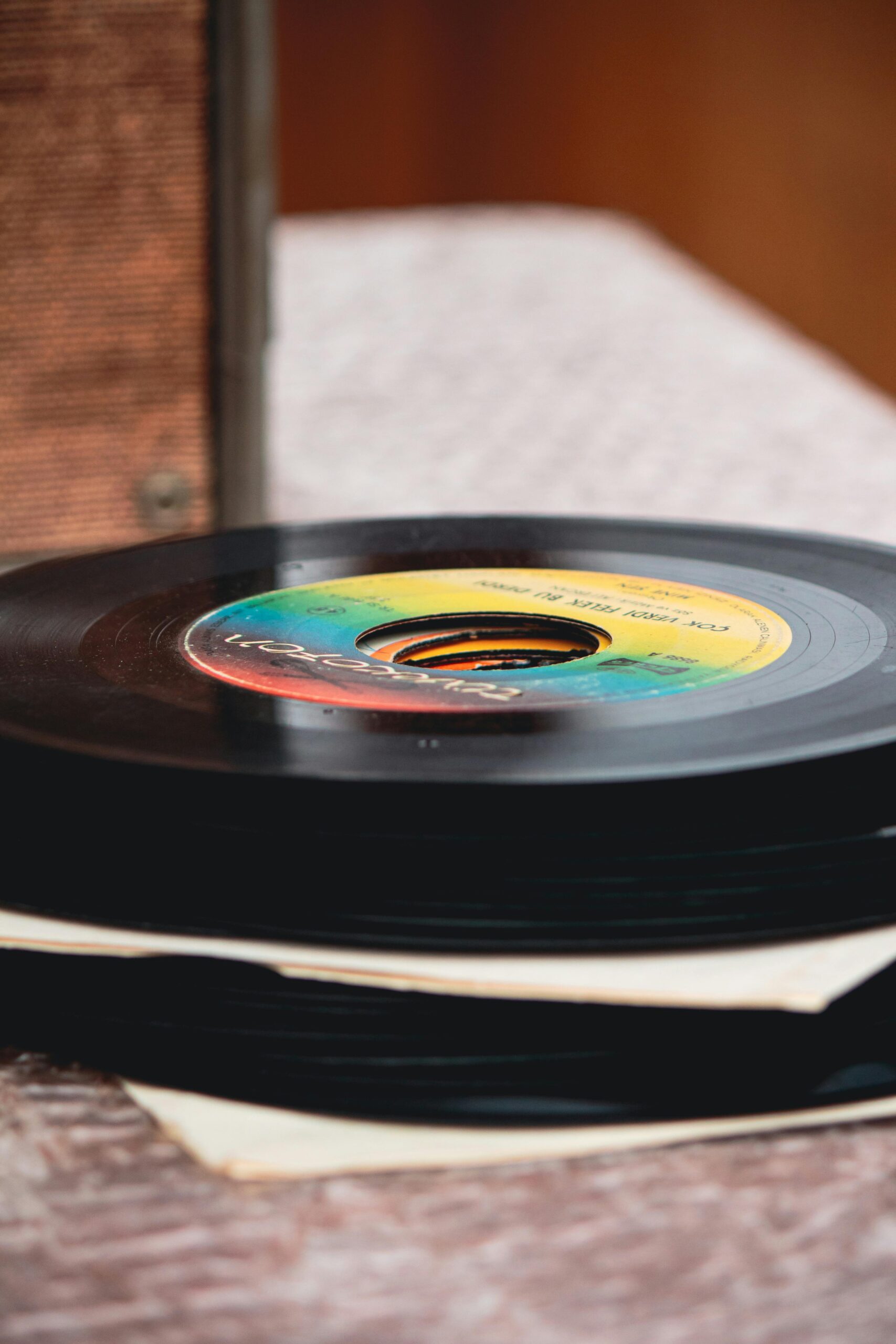
Never stack records flat. The weight of records on top of each other causes warping, especially in warmer conditions. Always store them upright, snug but not crammed — exactly like books on a shelf.
An IKEA Kallax unit is the classic beginner solution for a reason: it’s cheap, sturdy, and each cube holds around 60–70 records perfectly. Bookends work fine for smaller collections.
Listen Before You Grade
If you’re buying records and reselling or trading, or just want to know what you actually have, always listen before you assign a condition grade. Visual grading (judging by looking at the surface) is useful but imperfect — some visually rough records play beautifully, and some visually clean records have issues that only reveal themselves on the turntable.
Your ears are the final judge. A record that plays well is a good record, regardless of what it looks like.
Don’t Let Anyone Make You Feel Like You’re Doing It Wrong
This is the most important tip on the list. Vinyl collecting has a gatekeeping reputation — audiophiles who insist you need a €2000 turntable, purists who look down on certain genres or pressings, people who think you’re not a “real” collector if your setup isn’t perfect.
Ignore all of it. If you’re enjoying the music, you’re doing it right. Buy what you like, play it on whatever you can afford, and don’t let anyone’s snobbery take the fun out of it.
That’s the whole point.
Quick Reference: Beginner Do’s and Don’ts
| Do | Don’t |
|---|---|
| Handle records by the edges | Touch the playing surface |
| Dry brush before every play | Play records without brushing first |
| Buy used records to start | Blow your budget on new pressings immediately |
| Store records vertically | Stack records flat |
| Swap paper inner sleeves for polythene | Keep scratchy paper inners |
| Replace your stylus regularly | Forget the stylus wears out |
| Judge records by listening | Only grade visually |
Want to Go Further?
These tips are a starting point. Once you’ve got the basics down, check out:
- How to clean vinyl records at home – a full step-by-step cleaning guide
- How to Store Vinyl Records Properly (And Why It Matters) – everything about environment, sleeves and long-term care
- How to Build a Vinyl Collection on a Student Budget – where to buy, what to spend, and how to find great records cheap