11 March 2026 | Reading Time: 6 minutes
You’re scrolling through Discogs, eyeing a copy of The Dark Side of the Moon, and you notice something: the 1973 original pressing costs €150, while the 2016 remaster is €25. Same album. Wildly different prices. So what’s the actual difference, and does it really matter which one you buy?
Let’s cut through the vinyl snobbery and figure out when original pressings are worth the premium—and when a modern reissue is the smarter choice.
What Actually Makes Pressings Different?
Before we dive into which is “better,” let’s talk about what makes pressings different in the first place.
The Master Source
Original pressings were cut from the original master tapes—the actual studio recordings. Over time, those tapes degrade. Modern reissues might be cut from:
• The original analog tapes (if they survived and are in good condition)
• Digital transfers of the analog tapes
• Second or third-generation tape copies
• In worst cases, even from CD masters
The Mastering Engineer
Who cut the lacquer makes a huge difference. Original pressings often had legendary mastering engineers like Bernie Grundman or Doug Sax. Modern reissues might too—or they might be rushed budget jobs.
The Pressing Plant Quality
Not all vinyl pressing plants are equal. A modern pressing from Optimal Media in Germany will likely outperform a worn-out 1970s pressing from a budget plant.
“The newest pressing isn’t automatically the best pressing. The oldest isn’t automatically better either.”
Confusing.
When Original Pressings Actually Sound Better
According to vinyl mastering experts at forums like Steve Hoffman Music Forums (the go-to resource for pressing quality), original pressings tend to win when:
1. The original tapes no longer exist or have degraded
Example: Many 1960s-70s jazz records. Blue Note originals from the 50s and 60s are legendary because later reissues were cut from inferior tape copies.
2. The album was mastered specifically for vinyl
Pre-digital era albums (before mid-1980s) were mixed and mastered with vinyl in mind. The engineers knew the final destination was a record, so they optimized for that medium.
3. Loudness war victims
A really interesting phenomenon during the 2000s, reissues during that era were “remastered” to sound louder for digital/CD, crushing the dynamic range. The original vinyl preserved the dynamics.
When Modern Reissues Actually Sound Better
Here’s what vinyl purists don’t always admit: modern reissues often sound incredible.
1. Access to pristine master tapes + modern technology
Labels like Analogue Productions and Music Matters Jazz use the original tapes with modern mastering techniques and virgin vinyl. The result often surpasses the originals. Example: Music Matters’ 2011 reissue of Miles Davis’ Kind of Blue is widely considered superior to most original pressings.
2. Better pressing plant quality control
Modern plants like Pallas, Optimal, and RTI have tighter quality control than most plants did 40-50 years ago. Fewer surface noise issues, better centering, quieter vinyl.
3. Your original might be trashed
That €150 original from 1973? It’s been played hundreds of times, possibly on a cheap turntable with a heavy tracking force. A mint 2024 pressing will smoke a beat-up original.
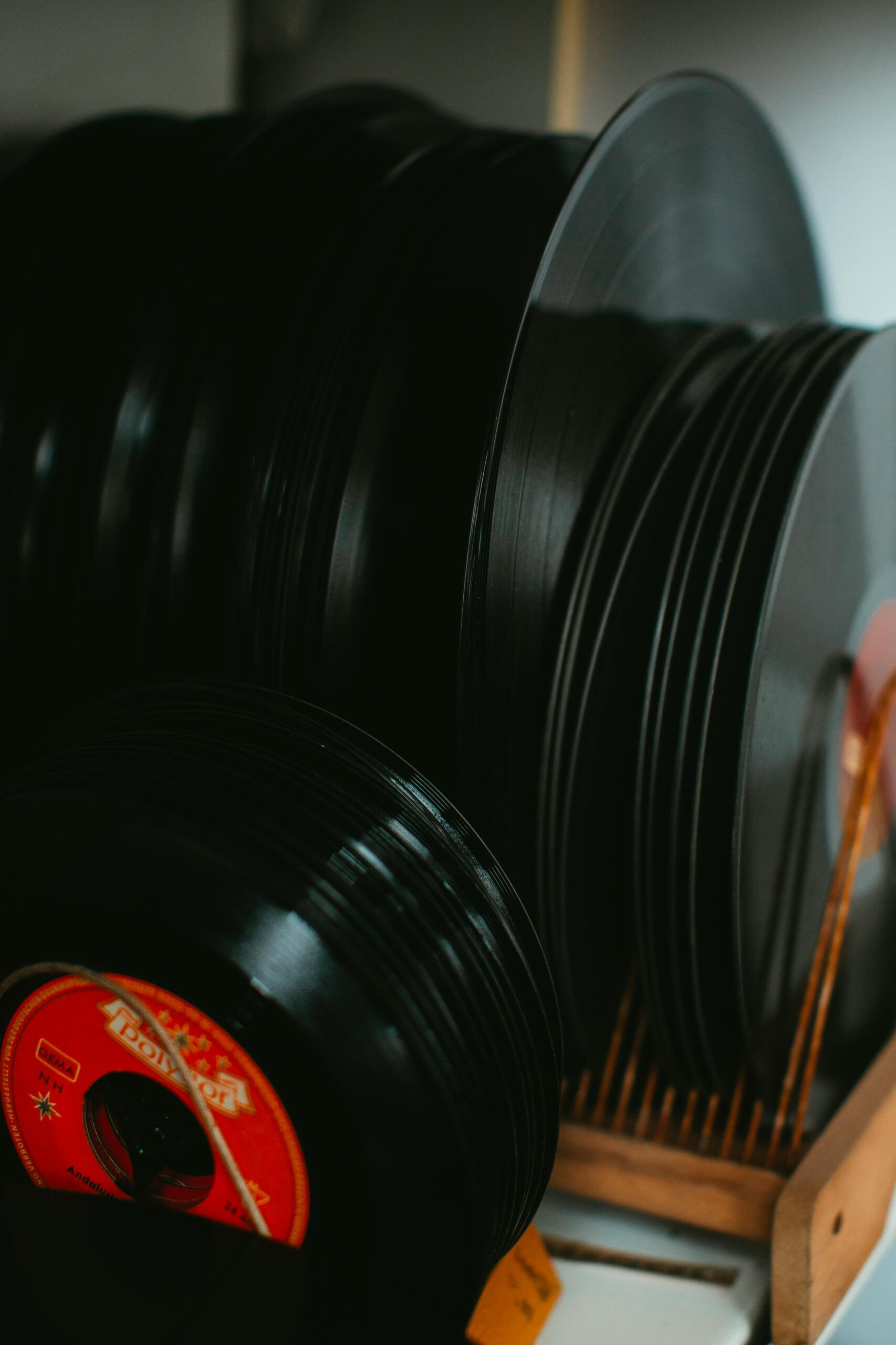
“Most collectors agree: a perfect modern pressing beats a VG+ original every time.”
The Real Question: What Are You Optimizing For?
This isn’t actually about “better.” It’s about what matters to you.
Choose Original Pressings If:
• You want the authentic artifact from that era
• You’re collecting for investment/value
• You specifically want the original mastering/EQ decisions
• You love the hunt and the history
Choose Modern Reissues If:
• You want pristine, quiet vinyl with no pops/clicks
• You’re on a budget (most reissues cost €20-40)
• You prioritize sound quality over collectibility
• You want new, unplayed vinyl
Real-World Examples: Original vs Reissue Shootouts
Let’s look at specific albums where the community has strong consensus:
Daft Punk – Discovery (2001)
Winner: 2023 reissue.
The original 2001 pressing had quality control issues. The 2023 remaster sounds cleaner with better bass response.
Pink Floyd – The Dark Side of the Moon (1973)
Winner: Depends.
Original UK Harvest pressing is legendary, but the 2016 remaster is 95% as good for 1/6th the price. For most listeners, get the reissue.
Nirvana – Nevermind (1991)
Winner: 2009 or 2011 remaster over original 1991.
Better pressing quality, same mastering. The original has more surface noise.
The Strokes – Is This It (2001)
Winner: Original 2001 RCA pressing.
Later reissues are good, but the original captures the raw garage sound perfectly.
How to Research Before You Buy
Don’t guess. Use these resources:
- Steve Hoffman Music Forums – Search “[Album Name] pressing” for detailed comparisons
- Discogs reviews – Check the reviews section for specific pressings
- YouTube pressing comparisons – Channels like “Vinyl Rewind” do A/B tests
- Reddit r/vinyl – Search or ask about specific albums
The Honest Answer
For 80% of albums, a well-done modern reissue will sound as good or better than an original—especially if you’re comparing a mint reissue to a played original.
The “originals always sound better” crowd is often paying for nostalgia and collectibility, which is totally valid! But if you just want music that sounds great, don’t feel pressured to drop €100+ on an original when a €25 remaster will blow you away.
“Buy the pressing that fits your budget and sounds good to YOUR ears. That’s the right choice.”
Now that you know how to evaluate pressings, check out our starter’s overview where we break down some iconic albums you cannot miss out on in your collection.

Leave a Reply